 Martine
  Your 2026 Content Strategy Blueprint: The Only Guide You’ll Need for a High-Visibility Year
If you want 2026 to be your most visible, profitable, and strategically aligned year, you need more than random posting.
You need a blueprint—a clear, repeatable, and data-informed content system that grows your brand every single month.
In this guide, you’ll walk through:
✔ The 4 Core Content Pillars
✔ A Monthly Planning Strategy That Actually Works
✔ How to Batch Create Content Using AI
✔ Recommended Tools + Real Examples
✔ A structure you can repeat all year
Let’s build your 2026 content strategy like a CEO, not a creator scrambling for ideas.
1. The 4 Core Content Pillars for 2026
Every highly visible brand uses content pillars.
They keep your messaging consistent, intentional, and high-impact.
In 2026, these are the four pillars you should build your strategy around:
Pillar 1: Authority Content (Educate + Position You as the Expert)
This content teaches, explains, breaks down, or analyzes.
Purpose:
✔ Build trust
✔ Prove your expertise
✔ Establish thought leadership
Examples:
• “3 reasons your lead generation is slowing down”
• “Mistakes coaches make with pricing in 2026”
• Frameworks, industry myths, case studies, tutorials
Formats:
Carousel, blog posts, video mini-trainings, how-to reels, LinkedIn articles.
Pillar 2: Connection Content (Human + Relatable YOU)
People buy from people.
Connection content builds emotional loyalty and audience intimacy.
Purpose:
✔ Strengthen your community
✔ Create relatability
✔ Humanize your brand
Examples:
• Your story, values, routines, behind-the-scenes
• What you believe about success
• A breakthrough moment or struggle your audience relates to
• Faith-based messaging (if aligned)
Formats:
Selfie-style videos, storytelling posts, lifestyle photos, audio snippets.
Pillar 3: Demand-Driven Content (Show What’s Possible)
This is where you build desire for your offer.
Purpose:
✔ Shift beliefs
✔ Show transformations
✔ Build demand
Examples:
• Client wins
• Before/after stories
• Misconceptions that keep people stuck
• “What you think you need vs. what actually works”
• Emotional pain points reframed
Formats:
Testimonials, reaction videos, case study posts, carousel breakdowns, screenshots.
Pillar 4: Conversion Content (Sell, Invite, CTA)
This is your direct sales content—it needs to be clear and intentional.
Purpose:
✔ Sell your offer
✔ Move people into action
✔ Guide them to the next step
Examples:
• “Doors open to my coaching program”
• Offer breakdowns
• What’s included + why it matters
• Client transformations tied to the offer
• Limited-time incentives
Formats:
Sales posts, pitch videos, launch graphics, email sequences.
TIP: A healthy content ecosystem includes all four pillars.
Too much value = no sales.
Too much storytelling = no authority.
Too much pitching = low engagement.
Your 2026 strategy should have:
40% Authority • 30% Connection • 20% Demand • 10% Conversion
2. Monthly Content Planning Strategy (Your 30-Day Framework)
Instead of posting randomly, use this simple, repeatable monthly system.
Step 1: Choose a Monthly Theme
Each month should have ONE clear content focus aligned to your offer or expertise.
Examples:
• January — Visibility & Clarity
• February — Leadership & Mindset
• March — Sales Foundations
• April — Content Creation
• May — Scaling Strategies
This creates cohesion and guides your audience through a journey.
Step 2: Map Out Your Weekly Focus
Break down each month into 4 weekly sub-themes.
Example (Visibility Month):
Wk 1 — Your visibility strategy
Wk 2 — Content that converts
Wk 3 — Overcoming visibility fears
Wk 4 — Launch your lead magnet or offer
This gives each week a direction.
Step 3: Pull Topics From Your Pillars
Use your 4 content pillars to create a balanced monthly plan:
Weekly Plan Example:
• Authority: 2 posts
• Connection: 2 posts
• Demand: 1 post
• Conversion: 1 post
• Bonus: Stories/Reels (optional)
Total = 20–25 posts a month without burnout.
Step 4: Decide Your Platforms
Don’t try to be everywhere. Choose platforms based on your goals:
Visibility: IG, TikTok
Authority: LinkedIn, YouTube
Conversion: Email, Facebook Groups
Community: Stories, Lives, Broadcast Channels
You don’t need more platforms; you need more consistency.
3. Batch Content Creation Using AI (The 2026 Method)
AI allows you to batch 1 month of content in 2–3 hours.
Here’s a workflow you can use:
Step 1: Input Your Monthly Theme Into AI
Example prompt:
“Generate 20 content ideas for a business coach using the theme: Visibility. Include authority, connection, demand, and conversion angles.”
Step 2: Turn Each Idea Into a Script or Caption
AI expands each topic into:
• carousel outline
• video script
• hook + CTA
• caption
• bullet-point teaching
• story format
Step 3: Create On-Brand Templates
Use Canva or Adobe Express templates:
• carousel
• YouTube thumbnail
• quote graphics
• story slides
• long-form posts
Once templates exist, you recycle them all year.
Step 4: Record All Video Content in One Day
Batch recording = less stress, more presence.
Film:
• 8–10 short-form videos
• 2 educational reels
• 1 long-form or live training
• 1 personal storytelling video
AI then helps with:
• captioning
• repurposing
• trimming clips
• turning video scripts into blogs
Step 5: Schedule Everything
Use scheduling tools:
• Metricool
• Buffer
• Later
• Meta Scheduler
• Hootsuite
Your content runs while you run your business.
4. Tools + Examples to Implement Your 2026 Strategy
Here is your content-creation toolbox:
Content Planning Tools
✔ Notion — content calendar + idea bank
✔ Asana or ClickUp — monthly planning + tracking
✔ Trello — simple visual board system
✔ Google Sheets — quick planning
Design Tools
✔ Canva — templates, carousels, graphics
✔ Adobe Express — polished graphics
✔ Kapwing — video editing, captions
✔ Mojo — animated stories
AI Tools
✔ ChatGPT — content writing + repurposing
✔ Claude — long-form ideas + scripts
✔ Descript — video editing + transcripts
✔ Opus Clip — repurpose long videos
✔ Midjourney/DALL·E — image creation
Examples: What This Looks Like in Action
Here are real monthly examples using the blueprint:
January Theme: Visibility + Authority Growth
Weekly Breakdown:
Wk 1 — What your audience needs to see from you
Wk 2 — Authority-boosting content
Wk 3 — Breaking limiting beliefs around visibility
Wk 4 — Pitch your lead magnet
Sample Posts:
• Carousel: “5 Things to Post to Become the Go-To Expert”
• Story: Behind the scenes of planning content
• Video: “Why your content isn’t converting”
• Sales post: “Download the Visibility Starter Kit”
March Theme: Sales Confidence
Weekly Breakdown:
Wk 1 — Sales mindset
Wk 2 — Buyer psychology
Wk 3 — Sales objections
Wk 4 — Offer breakdown
Sample Posts:
• “3 beliefs killing your sales without you noticing”
• “What makes people actually buy from you”
• “Why your offer isn’t selling (yet)”
Final Thoughts: Your 2026 Content Strategy Blueprint
Your 2026 content strategy doesn’t need to be complicated.
It needs to be intentional, consistent, and built on systems—not guesswork.
When you combine:
✔ Strategic pillars
✔ Monthly themes
✔ AI batching
✔ Automation tools
…you create a content engine that works even when you’re offline.
Ready to Plan Your Entire 2026 Content Year?
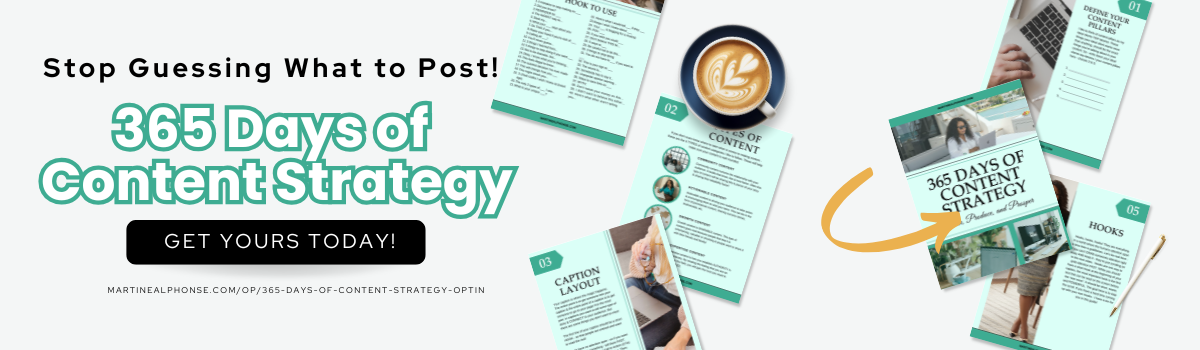
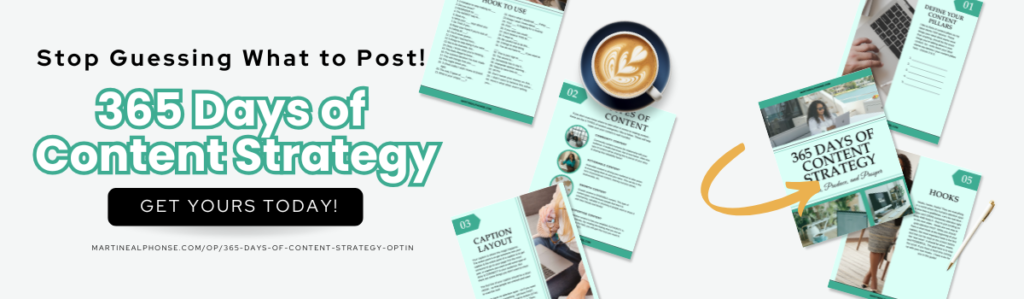
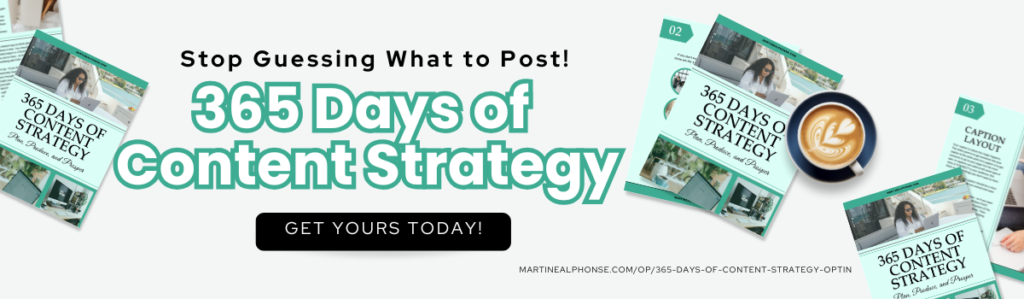
If you want content ideas, hooks, scripts, and strategy for every single day of the year, get my signature resource:
👉 365 Days of Content Strategy
Your plug-and-play content calendar for visibility, engagement, and conversions.
If you want engagement, growth, and conversion—start with a plan. This guide gives you 365 content ideas and a calendar planner to make posting effortless.